When a newborn or child faces a serious medical condition, knowing when to admit your child to ICU is crucial. They may need specialized care in either the NICU or the PICU, as both units provide life-saving treatment but cater to different age groups and medical needs. Understanding the key differences between NICU and PICU care can help parents make informed decisions during critical moments. This blog guide urgent symptoms like neonatal distress signs, child breathing issues, and other pediatric emergency symptoms you should never ignore.
What Are NICU and PICU?
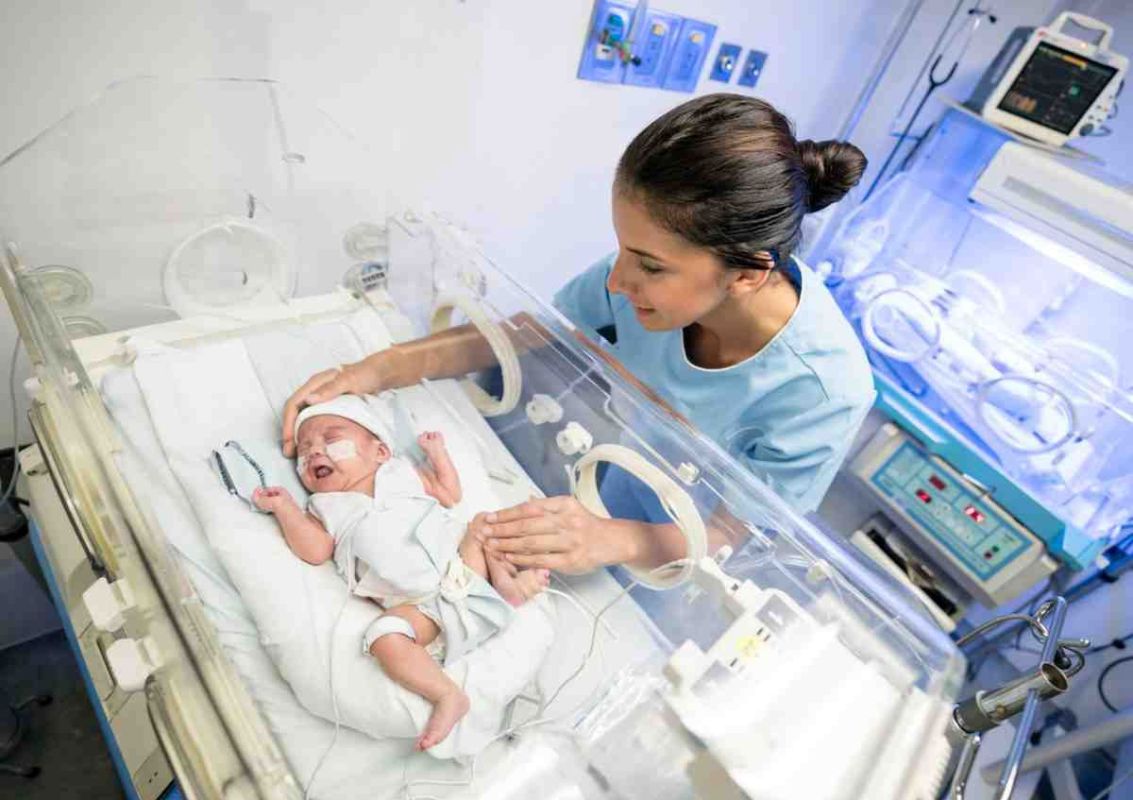
The NICU (Neonatal Intensive Care Unit) is designed for newborns who face complications such as premature birth, breathing problems, low birth weight, or infections. The PICU (Pediatric Intensive Care Unit) treats infants and older children suffering from serious illnesses, injuries, or post-surgical complications.
Sapthagiri Hospital in Bangalore offers specialized, 24/7 critical care with advanced monitoring systems and expert pediatric teams.
Common Neonatal Distress Signs
In babies, signs and symptoms may occur faster. Get NICU care immediately if your baby has:
• Low or fast breathing
• Bluish, pale, or patchy color skin
• Poor feed or refusal to feed
• Unusual lethargy or extreme sleepiness
Weak or high-pitched cry
All of these are neonatal distress signs that indicate your baby needs to be checked out right away.
Child Breathing Issues
Difficulty breathing is a serious child breathing issue. Take your child to the PICU if you notice:
• Increased, noisier, or harder breathing
• Chest retractions or flaring nostrils
• Wheezing, grunting, or inability to talk
• Bluish lips, nails, or skin
These might be the sign of asthma attacks, infections, or lung diseases that need treatment right away.
High or Persistent Fever
It's normal for kids to have a fever—except for very persistent high fever (over 102°F or 39°C), particularly in infants under three months, which could be an indication of a more dangerous condition like pneumonia, meningitis, or sepsis.
If fever is accompanied by vomiting, fits, confusion, or drowsiness, don't hesitate—Sapthagiri Hospital's PICU can treat such paediatric emergency symptoms at once.
Seizures or Loss of Consciousness
Seizures lasting longer than five minutes, repeated seizures over a short interval, or any unexplained loss of consciousness are a medical emergency. These might be signs of:
• Epilepsy
• Brain infections
• Metabolic disorders
• Head injury
These require urgent PICU treatment to prevent irreversible damage. Sapthagiri Hospital provides rapid neurological assessment and close monitoring.
Warning Signs of Severe Dehydration in Kids
Recurring vomiting or diarrhea rapidly dehydrates children, especially infants. Seek treatment if your child has:
• No urine after over 6 hours
• Dry mouth, sunken eyes, or dry skin
• Sleepiness or lethargy
• Crying without tears
Dehydration can cause shock if not addressed. PICU at Sapthagiri Hospital offers fluid treatment and round-the-clock monitoring.
Heart or Breathing Habits in Newborns
Apnea (pauses in breathing), irregular heartbeat, or floppiness in a newborn may be symptoms of severe underlying illness like heart disease or infection of the brain. Don't delay having your baby treated in the NICU if you notice:
• Irregular breathing with many pauses
• Weak pulse or irregular rhythm
• Floppiness or reduced muscle tone
These danger signs require close monitoring only a NICU can provide.
Injuries, Accidents, or Poisoning: When Every Second Counts
Falls, burns, head trauma, or drug or poison ingestion need to be seen by the PICU immediately—even if the child is stable. Hidden trauma or delayed reactions are not necessarily known at once.
Sapthagiri Hospital's pediatric emergency service is staffed to handle difficult trauma cases safely and in a timely fashion.
How Sapthagiri Hospital Provides Life-Saving Pediatric ICU Care
From a fragile infant to a critically ill child, Sapthagiri Hospital in Bangalore delivers:
• Level-3 NICU and fully equipped PICU
• 24x7 pediatric intensivists and neonatologists
• Child-specific ventilators and emergency support systems
• Compassionate nursing staff trained in pediatric emergencies
Every second counts—trust your instincts and let Sapthagiri’s expert care team handle the rest.
Final Thoughts
Recognizing when to admit your child to ICU can make all the difference during a medical emergency. If your child shows signs of severe respiratory trouble, not responding to stimuli, or persistent high fever, don't wait—consult a doctor. ICU admission in the early stages can prevent complications and save lives. Sapthagiri Hospital's pediatric and neonatal ICU centers in Bangalore offer specialized pediatric and neonatal critical care—24/7 when needed most.